VISIFLORA Ingredients: What's Inside the Vision Support Formula?
When people start looking for an eye health supplement, one of the first questions they often ask is simple: What ingredients are actually inside it? The ingredient list can tell you a lot about the type of nutritional support a formula is designed to provide.
VISIFLORA ingredients are presented as a broad combination of vitamins, minerals, antioxidants, carotenoids, amino-acid-related nutrients, and botanical extracts. Rather than focusing on only one nutrient, the formula is marketed as a multi-ingredient approach to everyday vision and eye wellness.
This article focuses on the major ingredient groups found in VISIFLORA and aims at explaining why these nutrients and phytocompounds are often included in eye health formulas. The objective of the article is to provide the context necessary to understand what VISIFLORA is all about without resorting to any unrealistic claims that may be made by unscrupulous marketers.

Want to explore the VISIFLORA formula?
Review the product information and current options directly on the VISIFLORA website.
Visit VISIFLORAWhat Is VISIFLORA?
VISIFLORA is a dietary supplement positioned around daily eye and vision support. Its formula combines multiple nutritional ingredients instead of relying on a single vitamin or botanical.
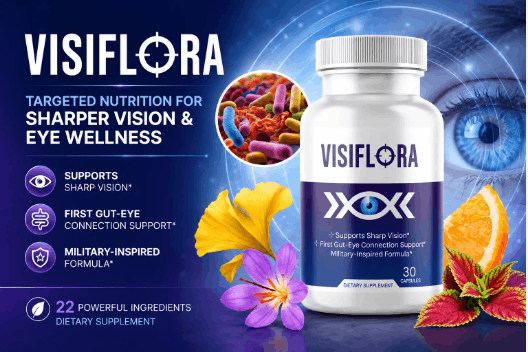
The product is marketed as a 22-in-1 formula and emphasizes both eye nutrition and the relationship between digestive wellness and eye health. The available product information groups the ingredients into several areas, including antioxidant support, carotenoids, vitamins and minerals, botanical extracts, and additional nutrients.
It is crucial to appreciate the fact that simply because an ingredient is present in a supplement, it does not necessarily follow that the completed formula will elicit the intended effect in each individual consumer. The fact that certain ingredients have nutritional or research value is indeed important, however, it is another thing altogether to claim that the completed formula is capable of treating or preventing an eye disease.
VISIFLORA Ingredients at a Glance
The formula information associated with VISIFLORA includes a wide variety of nutrients and botanical compounds. Some of the better-known ingredients include:
- Vitamin A
- Vitamin C
- Vitamin E
- Zinc
- Selenium
- Copper
- Chromium
- Lutein
- Zeaxanthin
- Astaxanthin
- Lycopene
- Bilberry extract
- Saffron extract
- Ginkgo biloba
- Eyebright
- Grape seed extract
- Rutin
- Quercetin
- Coleus forskohlii
- Taurine
- Alpha lipoic acid
The exact formula and serving information should always be checked against the current product label before purchasing or using a supplement, because supplement formulations can change.
1. Lutein and Zeaxanthin
Lutein and Zeaxanthin are two carotenoids that are of great interest in nutritional science, mainly due to their association with eye health. They are strongly linked with the retina region of the eye, being found in high concentrations in the macula – the part of the retina which is responsible for the sharp central vision.
These carotenoids are commonly included in eye-health supplements because they are associated with macular pigment and antioxidant activity. Their presence in a formula makes sense for consumers who are specifically interested in nutritional support for long-term visual wellness.
However, it is important not to interpret the inclusion of lutein and zeaxanthin as a guarantee that a supplement will improve eyesight or reverse an eye condition. Nutrition is only one part of maintaining healthy vision.
2. Astaxanthin
Astaxanthin is another carotenoid with antioxidant properties. It is naturally found in certain marine organisms and has been studied for its ability to help protect cells from oxidative stress.
In VISIFLORA, the role of astaxanthin is highlighted, which takes care of the antioxidant protection of the formula and is beneficial to vision. This ingredient is especially useful because the eyes are subjected to light exposure and regular metabolic processes every day.
The important point is that astaxanthin should be viewed as a nutritional antioxidant rather than a treatment for an eye disorder.
3. Vitamin A and Beta Carotene
Vitamin A is an important nutrient for normal vision. It plays a role in several biological processes related to the eyes, including normal visual function in low-light conditions.
VISIFLORA's ingredient information associates vitamin A with beta carotene. Beta carotene is a carotenoid that the body can convert into vitamin A when needed.
Sufficient amount of vitamin A is essential for the normal functioning of the body but more is not always better. This is a valid reason why we should adhere to the recommended dosage as indicated on the product label and not take an additional dose just because it states that it is good for the eyes.
4. Vitamin C and Vitamin E
Vitamin C and vitamin E are widely recognized antioxidant nutrients. Both are commonly found in nutritional formulas designed to support general cellular health.
In an eye-support formula, these vitamins are included as part of the broader nutritional strategy. Antioxidants help the body manage oxidative processes, which naturally occur as part of normal metabolism.
The inclusion of vitamin C and vitamin E does not mean they can prevent every cause of vision problems. Instead, they provide nutritional support as part of an overall healthy lifestyle.
5. Zinc, Selenium, Copper, and Chromium
VISIFLORA also includes several trace minerals. These include zinc, selenium, copper, and chromium.
Zinc
Zinc is an essential mineral involved in many biological functions. It is also relevant to normal eye function and vitamin A metabolism.
Selenium
Selenium is another trace mineral with antioxidant-related functions in the body. It contributes to the activity of several antioxidant enzymes.
Copper
Copper is needed for normal connective tissue formation, energy metabolism, and other biological processes. It is included in VISIFLORA as part of its mineral component.
Chromium
Chromium is associated with normal macronutrient metabolism and is included in the formula as an additional nutritional-support ingredient.
Together, these minerals add nutritional variety to the formula instead of making it dependent only on vitamins or plant extracts.
6. Bilberry Extract
Bilberry is a small dark berry that has a long history of traditional use. Its fruit contains anthocyanins and other plant compounds that have attracted interest in nutritional research.
Bilberry extract is included in VISIFLORA as one of its botanical ingredients. It is commonly associated with discussions about eye wellness and antioxidant support.
It is better to think of bilberry as one component of a larger nutritional formula rather than expecting it to provide a dramatic change in vision by itself.
7. Saffron Extract
Saffron is a botanical ingredient derived from the Crocus sativus plant. Certain compounds found in saffron have been investigated for their antioxidant and other biological properties.
The ingredient is included in VISIFLORA as part of its broader botanical approach to eye wellness.
As with the other ingredients, the presence of saffron in a supplement does not establish that the finished formula can treat an eye disease. People with an existing eye condition should continue to follow advice from their eye-care professional.
8. Ginkgo Biloba and Coleus Forskohlii
Ginkgo biloba is a botanical commonly used in supplements designed around circulation and antioxidant support. Coleus forskohlii is another plant-derived ingredient found in the VISIFLORA formula.
These ingredients contribute to the botanical portion of the formula and are included within the product's broader approach to nutritional eye wellness.
Because botanical extracts can interact with medications or may not be appropriate for everyone, anyone taking prescription medication should check with a healthcare professional before using a supplement containing these ingredients.
9. Grape Seed Extract, Rutin, and Quercetin
Grape seed extract, rutin, and quercetin are plant-derived compounds often discussed for their antioxidant properties.
They are included in VISIFLORA as part of what the product describes as its gut-eye support approach. These ingredients are interesting because they broaden the formula beyond traditional vitamins and minerals.
Rutin and quercetin are flavonoid compounds found naturally in various plants and foods. Grape seed extract also contains polyphenolic compounds.
The combination contributes to the formula's overall antioxidant and botanical profile.
10. Taurine
Taurine is an amino-acid-related compound naturally present in the human body. It is found in a variety of tissues and has attracted scientific interest for several physiological roles.
VISIFLORA includes taurine as one of its additional nutritional ingredients. Within the overall formula, it is intended to complement the vitamins, carotenoids, antioxidants, and botanical extracts.
Again, the presence of taurine should be understood as part of the nutritional formulation rather than evidence that the supplement can correct an eye disorder.
11. Alpha Lipoic Acid
Alpha lipoic acid is a naturally occurring compound with antioxidant properties. It has been studied for its ability to participate in the body's antioxidant network.
In VISIFLORA, alpha lipoic acid adds another antioxidant-related component to the formula. It is combined with other nutrients rather than being presented as the only active ingredient.
This multi-ingredient approach is one of the main characteristics of the product's formulation.
Interested in learning more about VISIFLORA?
You can visit the product website to review the current formula, product information, and available options.
Learn More About VISIFLORAWhy Does VISIFLORA Use So Many Ingredients?
The crucial feature inherent in the VISIFLORA technology is the absence of preference for a particular active ingredient. In contrast, this composition combines several types of nutrients that are frequently found in eye and general health supplements.
For example, lutein and zeaxanthin bring carotenoid support, vitamins C and E provide antioxidant nutrients, minerals contribute essential micronutrients, and botanical extracts add plant-derived compounds to the formula.
This type of formulation may appeal to people who prefer an all-in-one supplement rather than purchasing several individual products.
At the same time, a longer ingredient list does not automatically mean a supplement is better. The quality of the ingredients, their amounts, the overall formulation, and the individual's nutritional needs all matter.
What About the Gut-Eye Connection?
One of the more distinctive ideas behind VISIFLORA is its focus on the relationship between digestive health and eye wellness. This area is sometimes described as the gut-eye axis.
The research on the relationship between the digestive tract, immunity, inflammation, and the rest of the body is ongoing, but the science indeed has a long way to go, and therefore it would be a considerable leap to say that a particular supplement can cure somebody’s indigestion or bad eyesight.
VISIFLORA uses this concept as part of its product positioning. The formula combines traditional eye-support nutrients with ingredients selected for broader nutritional and antioxidant support.
Are VISIFLORA Ingredients Enough for Healthy Eyes?
A supplement cannot be used as a substitute for the fundamental eye-care measures. There are various risk factors for eye disorders, such as genetics, aging, nutritional deficiency, lifestyle, preexisting medical conditions, and others, including the use of certain medications and the importance of eye examinations performed by an eye professional.
A balanced diet that includes vegetables, fruits, healthy fats, protein sources, and other nutrient-rich foods can provide many nutrients important for overall health.
Lifestyle characteristics should also play a vital role in the equation. Getting sufficient sleep, taking regular breaks while using digital devices, guarding the eye area from too much sun, exercising or working out consistently, and most importantly not to smoke tobacco products are other crucialEye care practices that cannot be overlooked.
Who May Be Interested in VISIFLORA?
VISIFLORA may be of interest to adults who are looking for a convenient daily supplement containing a broad selection of vitamins, minerals, carotenoids, antioxidants, and botanical extracts.
It may particularly appeal to people who spend significant time using computers and smartphones or those who simply want to pay more attention to nutritional eye wellness as they get older.
However, people with diagnosed eye diseases, significant changes in vision, eye pain, flashes, sudden floaters, or sudden loss of vision should not rely on a dietary supplement. Those symptoms deserve professional medical attention.
What to Look For When Choosing an Eye Health Supplement
Understanding VISIFLORA ingredients can also help you compare different eye-health supplements. Instead of looking only at the number of ingredients, consider several factors.
Ingredient Transparency
Look for a supplement that clearly identifies its ingredients and provides current Supplement Facts information. If individual amounts are not disclosed because ingredients are contained in a proprietary blend, understand that you may have less information about the exact quantity of each component.
Appropriate Nutritional Support
Consider whether the formula contains nutrients that are relevant to your personal nutritional needs. More ingredients are not automatically better.
Quality and Manufacturing Information
Consumers should also look for clear information about where a supplement is manufactured and the quality standards followed during production.
Realistic Expectations
A good supplement should be viewed as one part of a healthy routine. Be cautious about products that promise instant eyesight improvement or claim to cure serious eye conditions.